People don’t usually think of graphic design as a “career skill” at first. It often starts as curiosity why some posters grab attention, why some apps feel easy to use, why certain brands look more trustworthy than others. Over time, that curiosity turns into an interest in how visuals influence decisions, trust, and understanding. For many learners, Graphic Design Courses in Trichy becomes a way to turn that curiosity into a practical skill that connects creativity with real communication and real work environments.
Visuals shape how people understand messages
Visual communication works faster than words. A single image, color, or layout can explain an idea before someone reads a sentence. Graphic design organizes information so the brain can process it easily. This is why road signs, apps, websites, and ads rely heavily on visual structure. Good design doesn’t confuse people or make them think too much. It guides the eye naturally and helps the viewer understand what matters first, what comes next, and what action to take.
Design builds trust without saying a word
People judge credibility visually. A clean layout, consistent colors, and readable text create a sense of reliability. Messy visuals create doubt, even if the content is good. This is why businesses invest in branding, logos, and consistent design styles. Graphic design quietly builds confidence in a brand, product, or service. Users may not be able to explain it, but they feel it. Trust starts with how something looks before anyone reads a message.
Storytelling through layout and structure
Design tells stories through spacing, alignment, and visual flow. The way elements are placed creates emotion and meaning. A bold headline, a soft color palette, or empty space can change how a message feels. Designers don’t just make things “look nice”; they shape how people emotionally connect to information. Visual storytelling helps ideas feel human instead of mechanical. It turns plain information into something relatable and memorable.
Design skills connect across careers
Graphic design doesn’t live in isolation. It connects with content creation, social media, product design, and marketing strategy. Learning how visuals work improves communication in many fields. This is why people from different backgrounds start learning design alongside skills like Digital Marketing Course in Trichy, where visuals and messaging work together. Strong design sense improves presentations, portfolios, websites, and professional branding, even outside creative roles.
Every day design influences daily choices
From mobile apps to supermarket shelves, design shapes daily decisions. People choose products based on packaging, trust apps based on interface design, and follow brands based on visual identity. Graphic design controls attention in busy environments. It filters noise and helps people focus. This everyday influence shows how design isn’t limited to posters or ads, it shapes how people move, choose, and interact with the world around them.
Design as a job skill, not just creativity
Many people think graphic design is only about talent or artistic ability. In reality, it’s about problem-solving and communication. Designers solve business problems visually. They simplify information, reduce confusion, and improve user experience. This mindset is why graphic design roles exist across industries. As more regional job markets grow, learning-focused paths like Graphic Design Courses in Erode show how design is becoming a stable career option, not just a creative hobby.
Visual thinking for long-term careers
Visual communication builds transferable thinking skills. Designers learn observation, structure, user behavior, and clarity. These skills stay useful even as tools change. Software evolves, trends change, but visual thinking remains valuable. People who understand design think differently about communication, branding, and user experience. These skills help in leadership roles, content roles, and strategy roles over time.
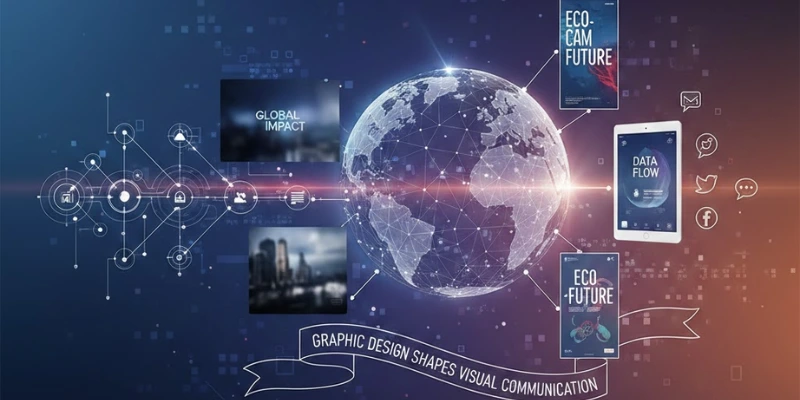
Graphic design shapes visual communication by making ideas clearer, faster, and more human. It influences trust, emotion, and understanding in ways people don’t always notice consciously. Learning design isn’t just about making things look good it’s about learning how people see, think, and react. As careers move toward multi-skill roles, combining creative thinking with fields like Digital Marketing Course in Erode creates future-ready professionals who understand both message and meaning.
Also Check: Simple And Impressive Graphic Design Techniques