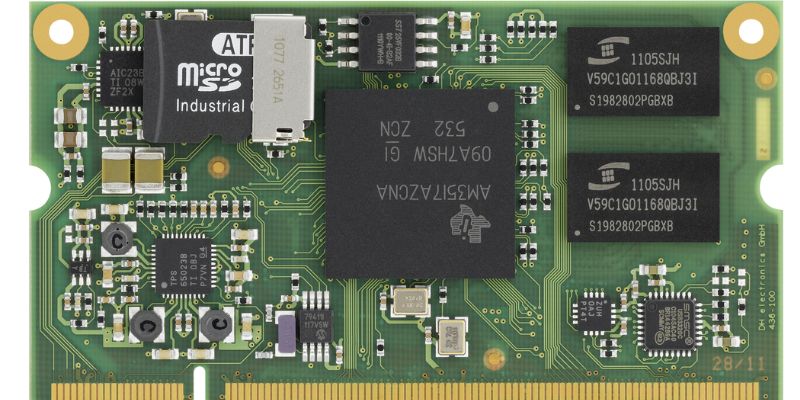
Your automobile, washing machine, smartphone, and even medical equipment all contain embedded systems. However, a lot of individuals utilize these technologies on a daily basis without completely comprehending how they operate. Embedded systems are fundamentally specialized computing units created to carry out a particular task inside a bigger system. Embedded systems are designed for efficiency, dependability, and real-time performance, in contrast to general-purpose computers that may execute a variety of applications.
Anyone interested in electronics, robotics, or contemporary technology must comprehend embedded systems. Knowledge of embedded systems is becoming more and more necessary as companies depend more and more on automation and smart gadgets. FITA Academy offers comprehensive Embedded Systems training programs that help learners master microcontrollers, hardware-software integration, and real-time application development through practical projects and hands-on experience.
Understanding how these systems work can lead to fascinating prospects, whether you are a student, enthusiast, or future engineer. In a useful and understandable manner, this guide will assist you in dissecting the principles and developing a comprehensive grasp of embedded systems.
What Are Embedded Systems?
A hardware and software combination intended to carry out a certain function is called an embedded system. It usually functions with little assistance from the user and is a component of a bigger gadget. An embedded system, for instance, controls the temperature and cooking time in a microwave oven.
Function is the primary distinction between general-purpose computers and embedded systems. An embedded system is designed for a single task, but a laptop may run several apps, such as word processors, games, and browsers. It can function more effectively and dependably thanks to this targeted design.
Embedded systems frequently have constrained memory and processing power. They are extensively optimized to provide reliable performance in spite of these limitations. They are therefore perfect for applications like medical equipment and automobile control systems where accuracy and dependability are crucial.
Key Components of Embedded Systems
Knowing the fundamental elements of systems is essential to comprehending them. The microcontroller, sometimes known as the microprocessor, is the most important component since it serves as the system’s brain. It handles inputs, carries out commands, and regulates outputs. Another crucial element is sensors. They gather information from the surroundings, including motion, light, and temperature. The microcontroller subsequently processes this data. Actuators, on the other hand, carry out tasks like turning on a motor or lighting an LED in response to the processed data. Embedded System Courses in Chennai provide industry-focused learning that helps learners gain expertise in microcontrollers, hardware-software integration, and real-time system development.
Memory is essential for storing data and the application. RAM and non-volatile memory, such as flash storage, are commonly used in embedded systems. Lastly, software connects the dots. It gives the hardware the instructions it needs to operate. Gaining an understanding of how these elements work together is essential to understanding how embedded systems work overall.
Types of Embedded Systems
Depending on their complexity and intended use, embedded systems can be classified into several kinds. Digital watches and household appliances are examples of standalone systems that function autonomously and carry out particular functions. The operation of these systems is independent of external equipment.Embedded real-time systems are made to react to inputs in a set amount of time. They are frequently employed in situations where delays might have detrimental effects, such as industrial automation and air traffic control systems.
Networked embedded systems provide data sharing and communication by connecting to other devices via networks. IoT (Internet of Things) technologies and smart home appliances are two examples. Smartphones and wearable technology are examples of mobile embedded systems that combine enhanced capability with portability. Knowing these categories makes it easier to see how embedded systems are used in many sectors.
Working Principles and Architecture
An system’s operation is based on the straightforward cycle of input, processing, and output. Sensors first collect input data from their surroundings. After that, the microcontroller uses the preprogrammed instructions to process this data. Lastly, the system uses actuators or displays to generate an output. B School in Chennai can significantly boost your career readiness and employability by enhancing your embedded systems skills, including microcontroller programming, hardware-software integration, and real-time system development.
An embedded system’s architecture usually consists of both software and hardware layers. The CPU, memory, and input/output interfaces are examples of components that make up the hardware layer. The operating system or firmware that manages the hardware is part of the software layer.
A Real-Time Operating System (RTOS) is used by some embedded devices to effectively manage tasks. Critical operations are carried out under exact time restrictions thanks to an RTOS. Gaining an understanding of this design enables you to comprehend how various components interact to produce a useful and effective system.
Programming Languages and Tools
An essential component of developing embedded systems is programming. C is the most widely used language because it offers a fair mix between hardware control and performance. For more complicated systems that need object-oriented functionality, C++ is also utilized. This is why mastering embedded systems is best practice for developers. Low-level programming occasionally uses assembly language, particularly when exact control over hardware is needed. High-level languages like Python are becoming more and more popular for embedded applications and experimentation.
To build and test code, developers utilize specialized tools like debuggers, compilers, and Integrated Development Environments (IDEs). Beginners can explore with embedded systems more easily thanks to well-known platforms like Arduino and Raspberry Pi. You can start creating your own projects and obtain practical experience by learning these technologies and languages.
Challenges in Embedded System Design
Embedded system design has its own set of difficulties. Working with restricted resources, such as memory, processing power, and energy usage, is one of the primary challenges. To guarantee effective performance, developers must optimize their code. Ensuring stability and dependability presents another difficulty. In essential applications where errors are unacceptable, embedded systems are frequently utilized. Extensive testing and validation are necessary for this.
Managing real-time restrictions can also be challenging. Systems must react to inputs within stringent timeframes, necessitating meticulous planning and design. Furthermore, as more embedded systems are linked to networks, security becomes more crucial. It takes both technical expertise and real-world experience to overcome these obstacles.
Tips for Beginners
It is advisable to start with the fundamentals if you are unfamiliar. Learn the basics of electronics, such as circuits, voltage, and current. This will assist you in comprehending the interoperability of hardware components.Next, select an easy-to-use platform, such as Arduino, to begin constructing basic projects. You may gain practical experience and increase your confidence by experimenting with sensors, LEDs, and motors.
It’s equally necessary to learn programming. Prioritize learning C programming before progressively delving into more complex subjects. Community forums, online seminars, and courses can all offer helpful advice.Lastly, concentrate on modest projects and practice regularly. You can use your knowledge in practical situations by building a simple robot, a smart light system, or a temperature sensor. You can progressively gain a solid grasp of embedded systems with commitment and curiosity.
Final Report
Many of the gadgets we use on a daily basis are powered by embedded systems, which are an essential component of contemporary electronics. You can learn a lot about how technology works in the background by comprehending its parts, applications, and operating principles.
Learning is a fulfilling experience, whether your goal is to work in electronics or you just want to try something different. You can progress from fundamental ideas to creating your own creative solutions with the correct strategy, resources, and practice. This understanding is more important than ever as will continue to be at the center of innovation as technology advances.